Buildings should know
where they are
For thousands of years, buildings kept people comfortable by responding to their climate, not fighting it. Somewhere along the way, we forgot. Spacio is built to help architects remember.
What we believe
Great architecture starts with the climate, not the floor plan
Architects of the past had no simulation software. They had something better: centuries of feedback. A courtyard in Morocco, a wind tower in Iran, a stave church in Norway, each one a climate strategy encoded in built form.
The modern process runs backwards: draw first, check later, and by then the massing is fixed.
The usual sequence
Draw the building
Check if it works
Massing already fixed
We believe it should reverse. Start with the climate, define the comfort band, map the passive strategies, then let the architecture emerge.
Reversed
Start with the climate
Define the comfort band
Map the passive strategies
Let the architecture emerge

This is what the Sustainable Environmental Design (SED) programme at the Architectural Association, School of Architecture in London, calls "adaptive architecturing": designing from inside to outside, attuning the built form to natural rhythms and inhabitant activities.
Design principles
Three commitments that shape every feature we build
Each one holds the next. The occupant sits inside the building, the building sits inside its climate.
The planet
Environmental & Resilient
Site-specific and in harmony with surroundings. Every project exists in a particular place, with a particular climate, a particular orientation to the sun. Architecture that acknowledges this is richer for it.
The building
Sustainable
Buildings that need less energy because they are better designed, not because they have thicker insulation. The most effective sustainability strategy is not a technology; it's good architecture.
The person
Occupant-centred
Architecture for the people inside and the people outside. Comfort is not a certificate number; it's the quality of light in a bedroom, the absence of wind on a terrace, the view from a kitchen window.
The problem
The knowledge exists. The workflow blocks it.
Bioclimatic design has been taught for decades. Adaptive comfort has been in standards since 2004. Vernacular precedents fill thousands of research papers.
Yet most buildings ignore all of it. Not because architects don't care, but because getting environmental feedback takes too long. By the time the data arrives, the decisions that matter most have already been made.
of global energy consumed by buildings
typical wait for a daylight simulation result
of design impact happens in the concept phase
What we built
What happens when the feedback becomes instant
Place a building. See the daylight score. Raise a storey. See the shadow on the courtyard. Rotate the volume. See the view analysis update.
This is the circular "try, evaluate, refine" process, compressed from weeks into minutes. The architect is not replaced. The architect is empowered with the feedback loop that vernacular builders had across generations, condensed into a single design session.
From centuries to seconds. Not by simplifying the questions, but by making the answers immediate.
“We handle the data. You make the judgement.
Together, we design with wisdom.”
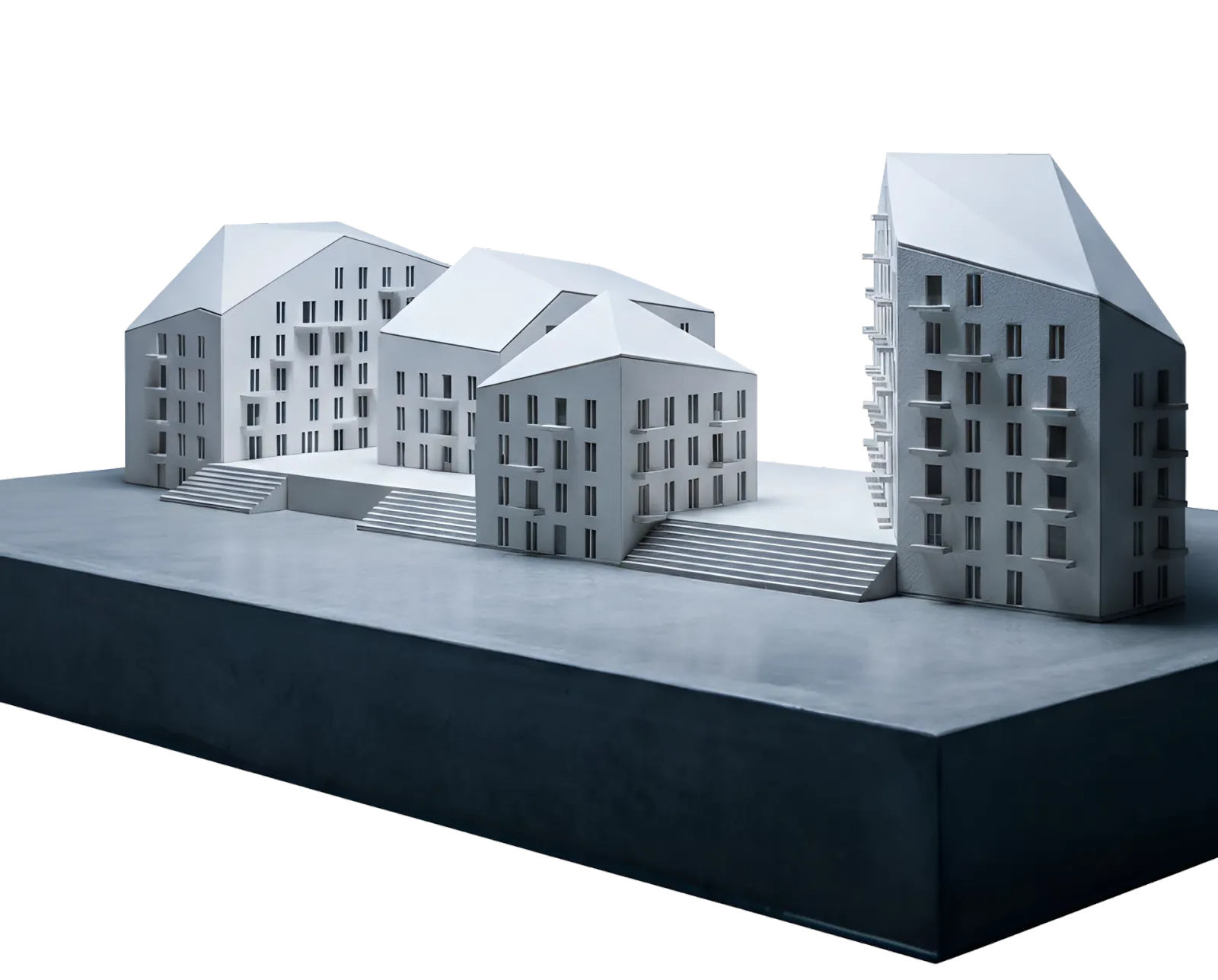
The climate hasn't changed its rules. It's time our tools caught up.
Spacio brings environmental understanding back to where it belongs: at the architect's fingertips, from the very first line.